A cloud-native geospatial TileDB array and Python package providing access to annual global DHIs as a 12-year time series from 2014 to 2025, continuously updated.



DHIDB is built on the Copernicus Land Monitoring Service (CLMS), using gross primary production and land-surface phenology products. This gives the database a consistent, global Earth-observation basis for analysing vegetation productivity and seasonality.
In spatial ecology, DHIs provide interpretable habitat and productivity features for species distribution models, biodiversity assessments, and other analyses of species–environment relationships.
The database contains 12 annual layers over a grid of 47,040 by 120,960 cells, or 68,279,500,800 dense array cells. TileDB exposes this as (time, y, x) and allows small spatial subsets to be read without transferring the full array.
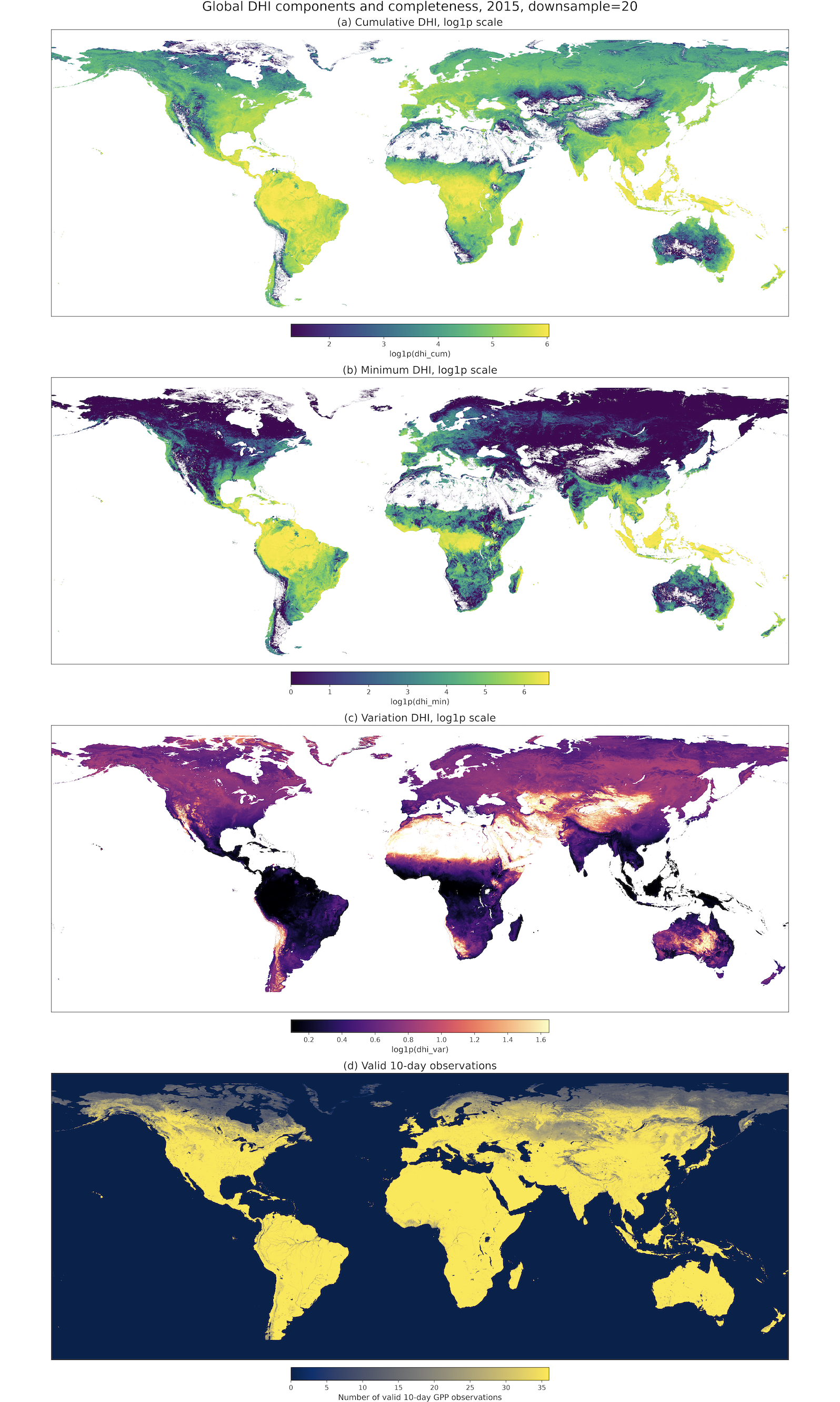
Cumulative productivity
dhi_cumMinimum seasonal baseline
dhi_minInter-period variability
dhi_varObserved scenes
observed_countFinite GPP scenes before optional QFLAG masking.
Valid scenes
valid_countScenes used in the GPP time-series calculations.
Flagged scenes
qflag_any_countFinite scenes where QFLAG was non-zero.
Rejected scenes
qflag_rejected_countFinite scenes rejected by optional QFLAG masking.
The data remain in a dense TileDB array on public S3-compatible object storage hosted by the Helmholtz Centre for Environmental Research - UFZ; the Python package retrieves only the years, variables, and spatial window requested by the user.
from dhidb import DHIProvider

with DHIProvider() as db:
    point = db.query_point(12.37, 51.34, years=range(2014, 2026))
The provider uses the public S3 endpoint and production array defaults automatically. Public reads do not require credentials.
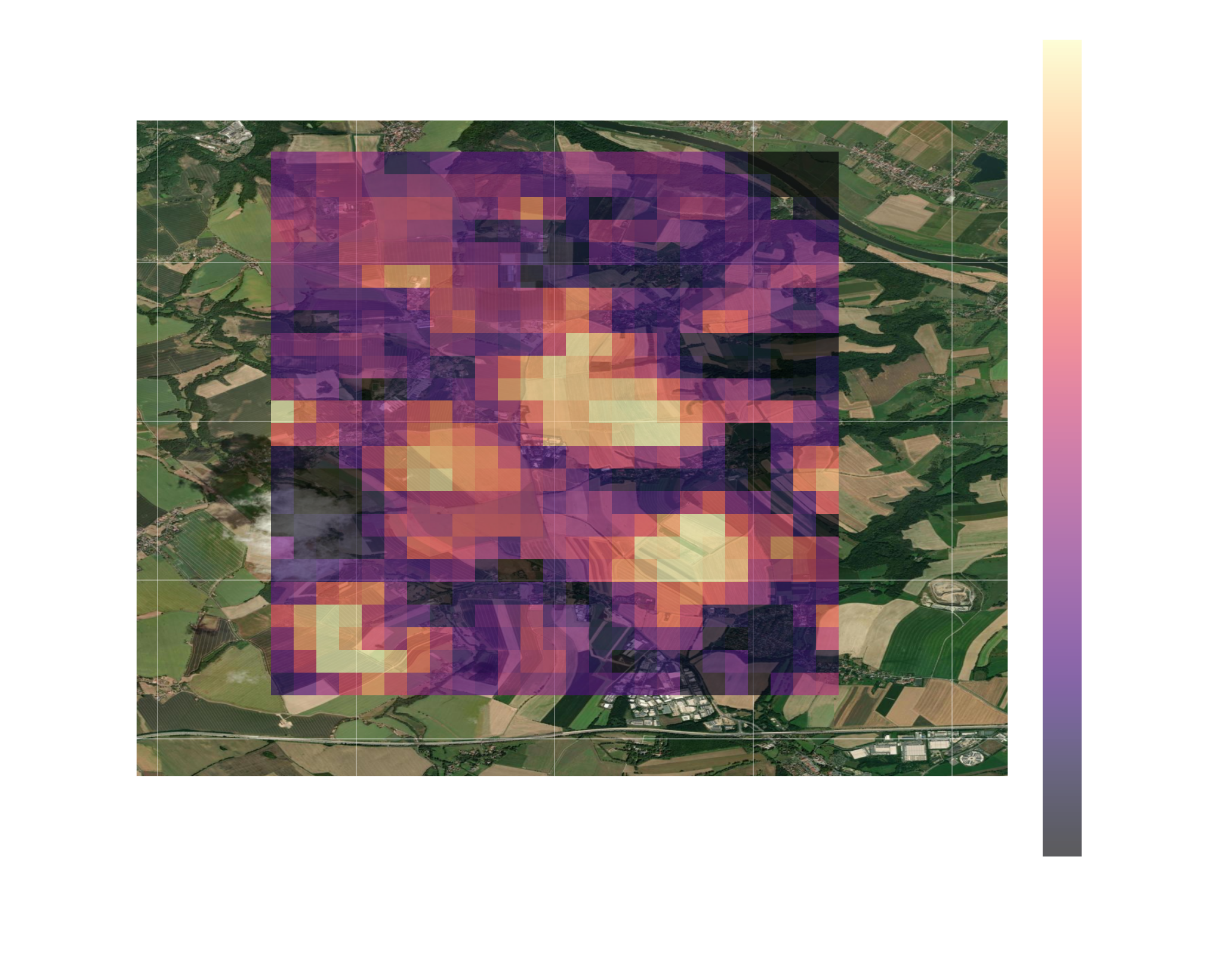
Temperate Europe
Cumulative productivity · dhi_cum
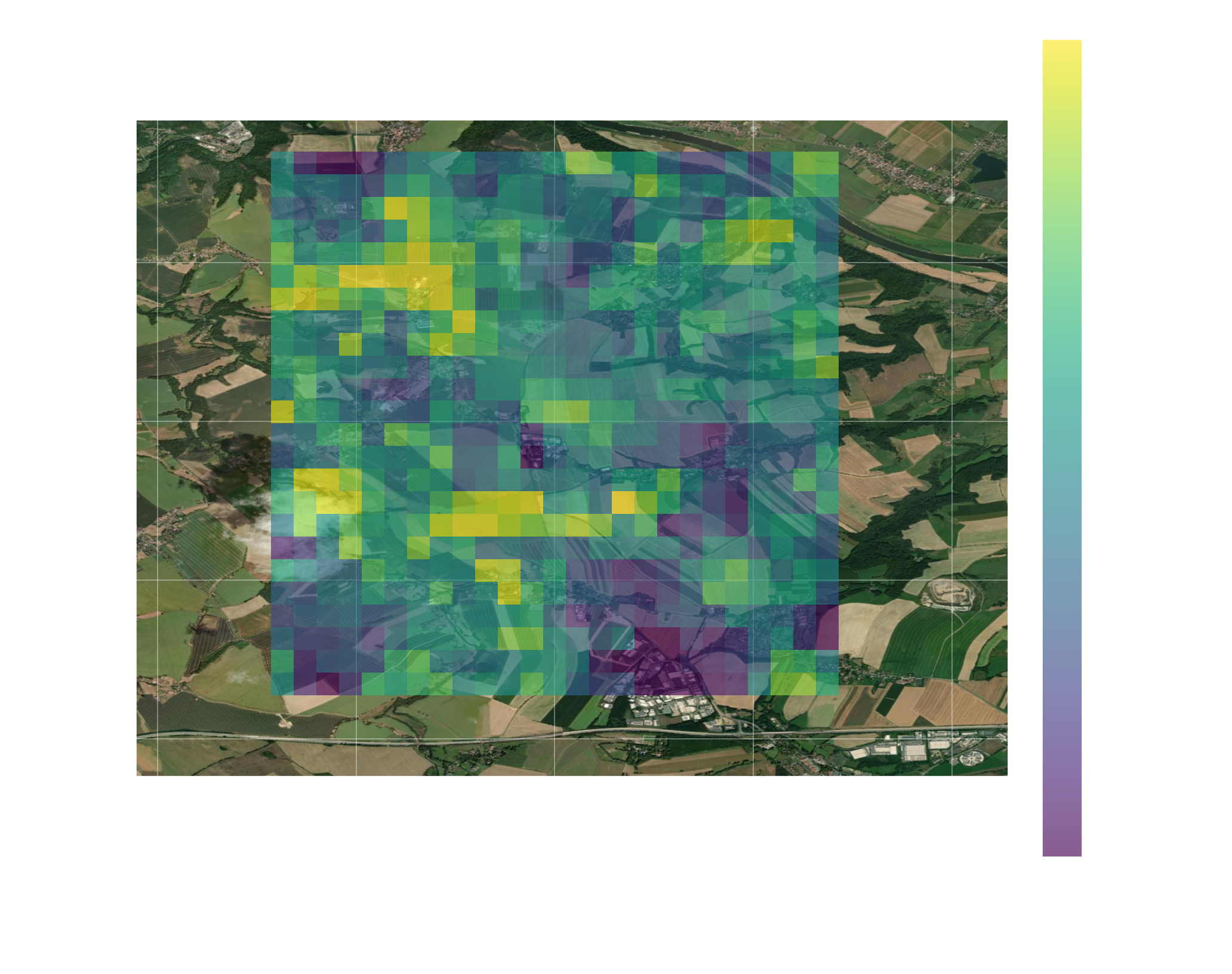
Minimum seasonal productivity · dhi_min
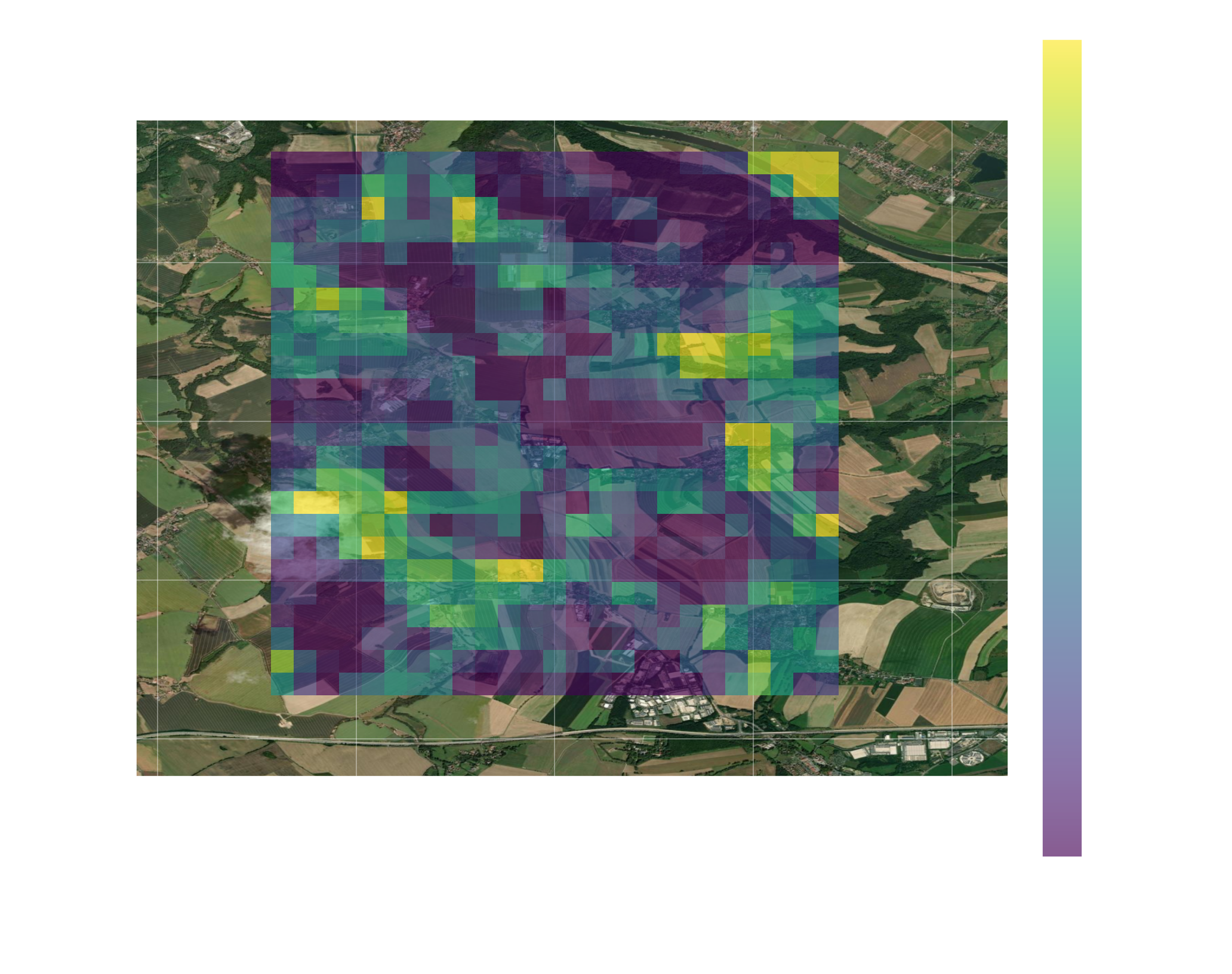
GPP variability · dhi_var